
The Atlanta Commercial Permitting Process: What Tenants Need to Know Before Signing
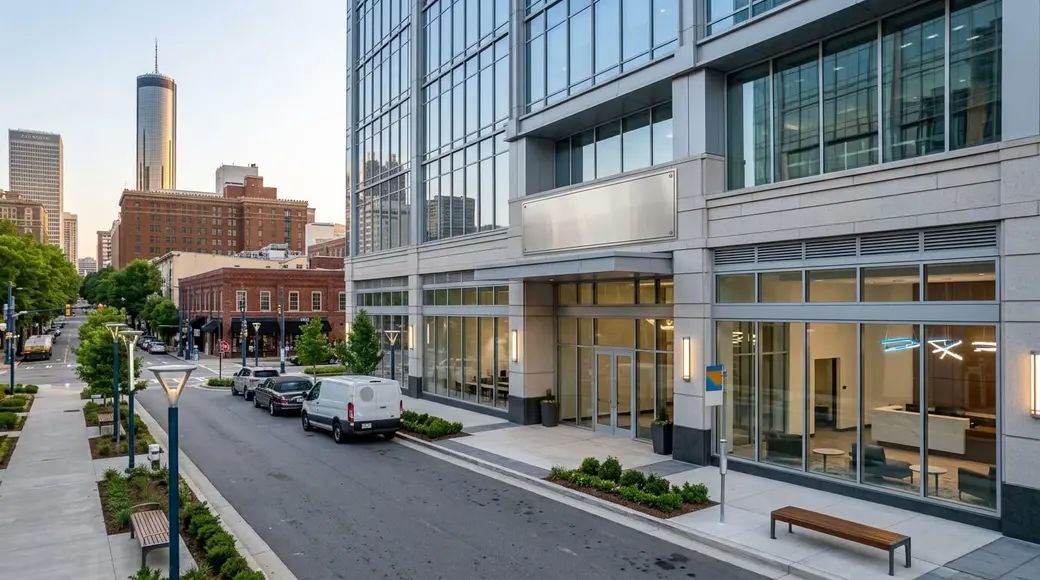
The Atlanta Commercial Permitting Process should be evaluated before signing a commercial lease because approvals can determine when a business may legally open.
In Atlanta, Georgia, zoning rules, building code requirements, and buildout approvals can affect construction timing, operating costs, and rent obligations. Taking strategic steps before lease execution protects capital, helps prevent rent payments on unopened space, and supports a smoother launch.
The City of Atlanta’s Buildings & Zoning information explains how zoning, inspections, and occupancy-related requirements can affect commercial openings. Lease timelines should reflect the municipal workflow rather than an assumed opening date.
Why Atlanta Tenants Face Heavy Permitting Risks Without Strategic Planning
Atlanta tenants face substantial permitting risk when lease obligations begin before the proposed use, plans, and buildout path have been confirmed with the applicable local department.
1. Rent can begin before the business can open
A lease may include a limited rent-abatement period, but plan-review comments can extend beyond that window. Once abatement expires, a tenant could owe rent while construction remains paused or contractors await authorization to proceed. The result is a cash-flow obligation disconnected from revenue generation.
2. Plan-review workflows can disrupt construction sequencing
Within the City of Atlanta, a commercial project may require coordinated review of zoning, building, mechanical, electrical, plumbing, fire, and other applicable elements. Requirements can vary by address, project scope, and whether the property is located in a special, historic, or overlay district. When drawings are incomplete or comments require resubmission, contractor schedules, material orders, inspections, and opening plans can all move later.
3. Zoning and parking issues may surface after execution
A space that appears suitable during a tour may not support the intended operation without further approvals or physical changes. Tenants should verify the proposed use, customer traffic, loading needs, signage expectations, and parking requirements before becoming contractually committed. A prior tenant’s use does not automatically establish that a new business model is permitted.
4. Specialized uses can trigger additional code requirements
Restaurants, medical offices, fitness concepts, assembly-oriented retail, and warehouse operations can require specialized life-safety, accessibility, ventilation, plumbing, or fire-protection work. When leasing retail space for lease in Atlanta, those requirements can change both the construction budget and the practical opening date.
5. Improvement-allowance deadlines can create financial pressure
Tenant improvement allowances often include deadlines for submitting plans, starting construction, requesting draws, or completing work. If municipal review consumes those periods, a tenant may lose access to funds expected to support the project. Reviewing prospective space through a permitting feasibility lens before negotiations advance can reduce this exposure.
Atlanta Commercial Permitting Process Lease Tools That Protect Tenants
Atlanta tenants can reduce permitting exposure by making approval timing, occupancy readiness, and responsibility allocation explicit in the lease.
A permit contingency clause gives a tenant a defined remedy if required approvals are denied or remain unresolved beyond an agreed review period. Depending on the transaction, that remedy may allow termination, an extension, or a negotiated adjustment to affected obligations. The clause should identify the approvals that matter, submission responsibilities, notice requirements, and the consequences of a denial or prolonged delay.
Rent commencement should also be separated from a fixed calendar date when a buildout depends on municipal approvals. Tenants can seek language that starts rent upon a required Certificate of Occupancy, substantial completion, or another clearly defined readiness milestone. This approach better aligns occupancy costs with the business’s ability to begin operations.
For eligible scopes, tenants should ask qualified local professionals whether an express or limited-scope permit path may apply to light, non-structural interior work. The appropriate route depends on the proposed work, existing conditions, use classification, and completeness of the submitted documents.
Local permit expediters, architects, mechanical, electrical, and plumbing engineers, and commercial real estate attorneys can clarify plan sequencing and responsibility for responding to municipal comments. Their involvement is especially useful when multiple building systems must be coordinated across reviewers.
Standard Permitting Pathway vs. Negotiated Tenant-Protected Lease Structure for Atlanta Businesses
| Project Feature | Standard Lease (High Permitting Risk) | Protected Lease (Tenant-Friendly Terms) |
|---|---|---|
| Rent Start Date | Fixed calendar date regardless of city delays | Tied strictly to Certificate of Occupancy when required |
| Permit Denial Risk | Tenant remains locked into lease liabilities | Right to terminate via permit contingency |
| Construction Timeline | Unprotected delays eat into free-rent abatement | Abatement clock pauses during city delays |
| Buildout Overruns | Tenant absorbs all unexpected municipal compliance costs | Shared or landlord-capped responsibility |
| Municipal Compliance | Tenant handles city feedback without guidance | Landlord representation for structural compliance |
Key Steps for Tenants Navigating Commercial Permitting in Atlanta
The Atlanta Commercial Permitting Process is more manageable when tenants complete feasibility work before a Letter of Intent becomes a binding lease obligation.
-
Consult a local tenant-representation broker and commercial real estate attorney before submitting an LOI: A broker can help identify site and landlord considerations, while counsel can assess contingency language, responsibility provisions, and rent-commencement terms. Reviewing a comprehensive commercial real estate guide for business owners in Atlanta before searching for space can further align your timeline and financial requirements.
-
Conduct a pre-application zoning review with City of Atlanta officials or the applicable local planning department: Confirm the proposed use, occupancy classification, parking expectations, signage restrictions, and special approvals that could affect timing or cost. Do not rely solely on a prior tenant’s use.
-
Engage licensed local architects, contractors, and MEP professionals familiar with City of Atlanta code requirements: Early review can identify whether electrical capacity, plumbing layouts, HVAC systems, accessibility routes, fire protection, or structural conditions may require upgrades.
-
Align the tenant improvement allowance draw schedule with municipal milestones: The lease should state how plans, permits, inspections, invoices, and completion documentation support reimbursement. Clear procedures can prevent completed work from becoming a cash-flow problem.
-
Organize architectural and MEP plans into a complete digital submission package: Consistent drawings, accurate scope descriptions, contractor documentation, and prompt responses to comments can help keep review moving. The City of Atlanta’s Buildings & Zoning information outlines how inspections, zoning matters, and occupancy requirements can affect commercial work.
Pro-Tip: Before submitting an LOI, obtain and audit the space’s existing Certificate of Occupancy records, then verify whether your proposed use requires a new, amended, or additional approval. This early check can reveal special-use requirements, use-classification conflicts, parking obligations, occupancy limitations, or life-safety work before the tenant commits capital, accepts a fixed rent date, or relies on an allowance deadline that may not accommodate municipal review.
Unnegotiated Standard Leases vs. Tenant-Protected Commercial Agreements
The central distinction is whether the lease treats municipal permitting as the tenant’s isolated problem or as a shared condition of delivering usable commercial space.
Relying strictly on a standard landlord-provided lease form:
- Forces fixed rent commencement dates regardless of municipal permit-review speed.
- Exposes business cash flow to rent payments on unopened retail, office, or industrial and warehouse real estate in Atlanta.
- Provides no defined termination mechanism if municipal approvals are rejected.
- Shifts structural, plumbing, fire-code, and building-system compliance burdens to the tenant.
- Can leave tenant improvement allowance timing unclear during permit corrections or resubmissions.
- May not define responsibility for base-building records, prior permits, or occupancy documentation.
Structuring a tenant-protected commercial lease agreement:
- Secures explicit permit contingencies that protect tenant capital and limit lease liability.
- Aligns rent commencement with a required Certificate of Occupancy, substantial completion, or another negotiated operational milestone.
- Preserves tenant improvement allowance funds through unexpected plan-resubmission cycles.
- Establishes landlord responsibility for baseline structural conditions and pre-existing building-code matters.
- Identifies responsibility for landlord approvals, building access, utility information, and structural documentation.
- Creates a written process for notices, extensions, and decisions when municipal review changes the anticipated opening date.
How a Certificate of Occupancy (CO) Protects Your Commercial Business Launch
Depending on the scope of work, occupancy classification, and City requirements, a Certificate of Occupancy may be required before a tenant occupies or opens a finished commercial space. When required, it confirms that the completed space is approved for its intended use.
When negotiating a lease, ask whether rent commencement can be tied to CO issuance when a CO is required, or to a clearly defined alternative if only limited work remains. Also clarify who is responsible for final inspection items, required documents, and base-building deficiencies.
A CO does not replace zoning verification or permit review. It can be one operating checkpoint within a broader process that should begin before the LOI is signed.
For tailored guidance on navigating local site selection or requesting a commercial property performance assessment, reach out to Ritzberg Realty to discuss your location strategy before signing an agreement.
Frequently Asked Questions
-
How long does the commercial permitting process usually take in Atlanta?
Commercial permitting timelines in Atlanta depend on project scope, plan completeness, zoning conditions, correction comments, and required trade reviews. Rather than relying on one universal estimate, tenants should structure lease deadlines around the proposed work, municipal review path, contractor sequencing, and the possibility of resubmissions.
-
What happens if my commercial permit is delayed past my rent commencement date?
Without lease protections, a tenant can become responsible for rent before the premises is ready to open. A tenant-protected agreement may address that exposure with a permit contingency, extension rights, a paused abatement period, or a rent start date tied to an agreed occupancy or completion milestone.
-
What is a Certificate of Occupancy (CO) and why is it required in Georgia?
A Certificate of Occupancy is documentation that may be required for a completed commercial space based on its scope of work, use, occupancy classification, and local requirements. When required for the project, it can serve as a final approval checkpoint before occupancy or opening.
-
Can business owners negotiate permit contingencies in a commercial lease?
Yes, business owners can request permit contingencies during commercial lease negotiations. A useful provision identifies the required approvals, establishes review windows, assigns submission duties, explains notice procedures, and states the tenant’s remedy if an approval is denied or delayed beyond the agreed period.
-
Why should a business owner work with a tenant representation broker during the permitting phase?
A tenant-representation broker can help connect space selection, lease strategy, and operating requirements before a business commits to a location. The broker can also help coordinate discussions with the landlord, construction team, and advisors so permitting risks are identified before they become costly obligations.
Categories
Recent Posts







"My job is to find and attract mastery-based agents to the office, protect the culture, and make sure everyone is happy! "