
Complete Guide to Commercial Properties in Atlanta, GA
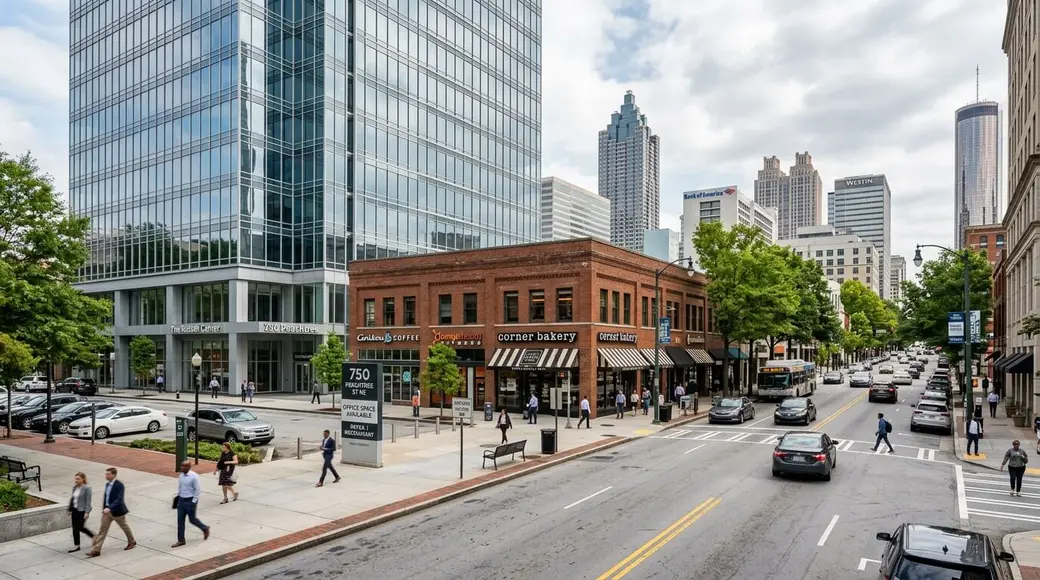
Commercial Properties in Atlanta span office buildings, retail spaces, warehouses, mixed-use assets, hospitality properties, and development land. Buyers can find opportunities across established business districts and transportation-oriented corridors, but the right asset depends on the intended use, zoning, access, condition, tenant profile, and total ownership costs. A disciplined review of those factors helps owner-users and investors compare properties on practical terms.
Why Businesses and Investors Consider Commercial Properties in Atlanta
Commercial Properties in Atlanta appeal to businesses and investors because the city offers varied property formats, major transportation connections, and several established commercial districts. Commercial properties can vary significantly in type, size, location, and intended use, so a warehouse user, retailer, professional office buyer, and income-property investor may approach the same opportunity differently.
1. Airport connectivity
Hartsfield-Jackson Atlanta International Airport handled 106,302,208 passengers in 2025, a scale that supports business travel, hospitality activity, and logistics-focused site selection. The airport can be especially relevant when evaluating locations that depend on regional or national mobility.
2. Multiple commercial districts
Downtown, Midtown, Buckhead, airport-oriented corridors, and redevelopment areas provide different settings for office, retail, industrial, hospitality, and mixed-use properties. Buyers should match the district to the planned operation, customer access needs, parking requirements, and building configuration.
3. Rail access options
MARTA’s rail system connects major employment and activity centers, including Downtown, Midtown, Buckhead, and the airport. Midtown Station offers rail, bus, and shuttle connections that can be relevant for office and retail locations where employee or customer access matters.
4. Institutional and professional demand
Atlanta includes major educational, healthcare, civic, and professional employment centers that support demand for different commercial uses. Georgia State University’s downtown presence is one example of an institutional anchor within the city’s core.
5. Diverse building choices
Buyers can consider everything from smaller office suites and storefronts to distribution facilities, lodging properties, and redevelopment sites. This variety allows a purchaser to focus on operational fit, lease strategy, or long-term ownership goals instead of forcing every business plan into one property type.
Commercial Properties Available in Atlanta
Commercial Properties Available in Atlanta include several asset categories, each with distinct operating, ownership, and site-selection considerations. Buyers can compare opportunities through Atlanta commercial property listings while keeping their intended use, capital plan, and space requirements in view.
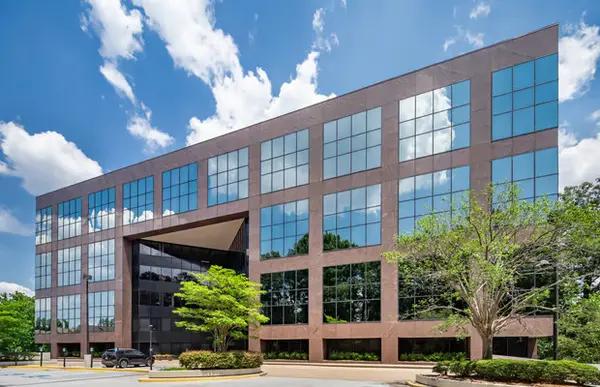
Office properties include traditional offices, professional buildings, and office suites. A buyer may evaluate client access, floor-plan efficiency, parking, building services, and visibility. Retail properties include storefronts, shopping centers, and standalone retail buildings, where access points, signage opportunities, surrounding uses, and layout can affect day-to-day operations.
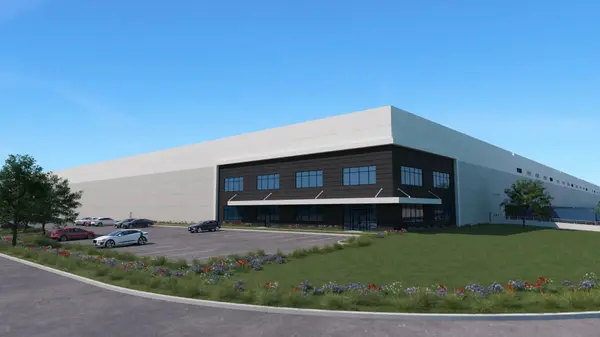
Industrial properties include warehouses, distribution facilities, and flex spaces. Loading access, truck circulation, utility capacity, clear height, and site layout can be central considerations. Mixed-use properties combine commercial space with other permitted uses, which may include office, retail, residential, or hospitality components.
Hospitality properties include hotels, motels, and other lodging-related assets where permitted and appropriate for the site. Land for commercial development includes vacant parcels intended for a permitted commercial use. Before pursuing a development parcel, buyers should confirm access, utilities, zoning, site constraints, and the practical path from concept to permitted use.
Where Can You Find Commercial Properties in Atlanta
Commercial properties in Atlanta are concentrated in business districts, transportation-connected areas, commercial corridors, and redevelopment locations. Proximity to roads, rail, employment centers, parking, and complementary uses can influence a property’s operational fit and tenant appeal.
| Area or corridor | Typical commercial focus | Property considerations |
|---|---|---|
| Downtown Atlanta | Office, retail, hospitality, mixed-use | MARTA access, parking, civic access, and building configuration |
| Midtown | Office, professional services, retail, mixed-use | Transit access, nearby employment, pedestrian access, and amenities |
| Buckhead | Office, retail, hospitality, professional services | Road access, parking, tenant needs, and building class |
| Airport-area corridors | Industrial, logistics, hospitality, office | Airport access, highway connections, loading needs, and site layout |
| Westside and redevelopment corridors | Retail, creative office, mixed-use, adaptive reuse | Zoning, renovation scope, parking, and permitted use |
The screening priorities should change with the intended use. Airport-area buyers can focus on truck movement, loading conditions, highway connections, and site circulation. Downtown and Midtown office or retail buyers can review parking, MARTA access, pedestrian approach, and building adaptation requirements. Buyers considering redevelopment-oriented properties can place early attention on zoning, renovation scope, parking, and permitted uses.
What to Consider Before Buying Commercial Property in Atlanta
Buying Commercial Properties in Atlanta starts with confirming that the building and site can support the intended use. An office suite, retail building, warehouse, mixed-use property, and commercial development parcel each have different physical requirements, operating costs, and ownership responsibilities.
Location and accessibility should fit the people and vehicles that will use the property. Review road access, rail proximity where relevant, parking, loading areas, site circulation, customer approach, and the surrounding commercial environment. A property can be well located for one operation and poorly suited to another.
Zoning and permitted uses deserve early attention. Buyers should verify that the intended business activity, building configuration, signage plan, parking arrangement, and future improvements are allowed before relying on a site for a specific purpose. The City of Atlanta’s zoning framework addresses land use, building size, density, placement, and parking requirements.
Property condition also affects the true cost of ownership. Review the building layout, major systems, maintenance needs, accessibility features, potential improvements, and practical limitations of the site. For occupied properties, examine existing leases, tenant obligations, renewal provisions, operating expenses, property taxes, insurance, and maintenance responsibilities.
Financing can differ based on the asset type, borrower profile, occupancy plan, income history, and lender requirements. Environmental records, site history, surveys, title materials, and other transaction documents should be reviewed as part of a structured comparison process. A commercial property performance assessment can help organize the questions that matter before a purchase decision.
Pro-Tip: Visit a potential Atlanta property during the business hours that matter most for its intended use. Observe parking availability, access points, loading activity, and nearby commercial conditions before making a decision.
Buying vs. Leasing Commercial Property in Atlanta
Buying and leasing Commercial Properties in Atlanta involve different tradeoffs in capital, flexibility, and responsibility.
Buying
- Potential control over the property and its long-term use
- Opportunity to occupy the space or lease it to tenants
- Greater upfront capital requirements
- Responsibility for maintenance and ownership costs
Leasing
- Potentially lower upfront costs
- Flexibility for businesses that may need to relocate
- No property ownership
- Lease terms and renewal conditions need careful review
How to Evaluate a Commercial Property Before Buying
A commercial property in Atlanta should be evaluated as an operating or investment asset, not simply as a building with a purchase price. Buyers should compare location, permitted use, layout, building condition, parking, access, expenses, lease obligations, and improvement requirements together.
Owner-users can begin by testing whether a property supports daily operations, staffing, customer access, deliveries, storage, and reasonable future growth. Investors can place additional attention on lease income, tenant responsibilities, operating costs, building functionality, and the property’s fit within its commercial setting.
A practical local review also includes requesting the documents that explain how the asset functions. These may include zoning records, surveys, property tax information, insurance history, utility information, lease documents, operating statements, maintenance records, and plans for any planned improvements. Reviewing those materials alongside an on-site visit makes it easier to identify issues that a listing description alone may not show.
Work With a Commercial Real Estate Professional in Atlanta
A knowledgeable local professional can help buyers identify suitable properties, compare use and location factors, organize transaction materials, and navigate negotiations and logistics.
Danesha Ritzberg assists clients looking for commercial properties across Atlanta, Cobb County, Douglas County, Fulton County, and Paulding County. Direct local insights can streamline the process whether expanding a business footprint or analyzing an investment property. To discuss your property strategy or review current opportunities, you can reach out directly at (404) 853-8619 for tailored guidance.
Frequently Asked Question
What types of commercial properties can I buy in Atlanta?
Atlanta buyers can consider six primary categories: office, retail, industrial, mixed-use, hospitality, and land for commercial development. Within those categories, options can range from office suites and storefronts to warehouses, lodging properties, and vacant parcels with permitted commercial potential.
How much does commercial property cost in Atlanta?
Commercial property costs in Atlanta vary based on property type, location, building size, condition, tenant income, parking, access, and redevelopment potential. Rather than relying on a single price benchmark, buyers should compare the purchase price with operating expenses, taxes, insurance, improvement needs, and financing terms.
Can I use any commercial property for my business?
No, a business must be permitted under the property’s zoning classification and applicable regulations. Atlanta zoning rules can affect land use, building placement, density, parking, and the improvements needed for a particular operation.
Can I finance a commercial property purchase?
Yes, commercial property purchases can be financed, though the process differs from residential financing. Loan terms can depend on the property, the borrower, available equity, intended use, income where applicable, and lender requirements.
Should I work with a commercial real estate professional?
Professional guidance can help a buyer compare suitable properties, coordinate documents, evaluate lease and ownership considerations, negotiate terms, and manage transaction logistics. That support can be particularly useful when a property has existing tenants, specialized operational requirements, or multiple decision points.
Key Takeaways
- Property Variety: Atlanta offers six major commercial categories, including office, retail, industrial, mixed-use, hospitality, and development land.
- Location Fit: Roads, rail access, parking, loading areas, and nearby uses can shape a property’s operational suitability.
- Zoning Review: Permitted use, building standards, density, and parking requirements should be confirmed before committing to a site.
- Full Cost: Buyers should evaluate condition, leases, expenses, insurance, taxes, financing, and improvement needs together.
Categories
Recent Posts




"My job is to find and attract mastery-based agents to the office, protect the culture, and make sure everyone is happy! "