
Retail Space for Lease in Atlanta: Available Properties & Market Guide

Retail space for lease in Atlanta ranges from neighborhood storefronts and restaurant-ready spaces to drive-thru pads and larger retail units. Consumer demand is shaped by Atlanta's regional employment base, residential activity, visitor destinations, and daily commuter patterns, while vacancy conditions can differ sharply by corridor, building age, visibility, and permitted use.
Why Retail Businesses and Tenants Choose to Lease Space in Atlanta
Retail space for lease in Atlanta gives business owners multiple ways to match a location with how customers shop, travel, park, and spend time.
1. A broad regional customer base
Atlanta gives retailers access to a large and varied customer base that includes residents, commuters, students, visitors, and nearby office workers. A site should be evaluated for the specific customers it can realistically serve, rather than for citywide demand alone.
2. Multiple retail settings
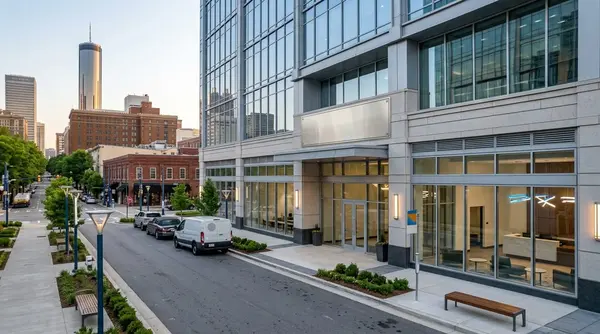
Atlanta supports retail uses in dense mixed-use districts, neighborhood shopping centers, historic commercial areas, and vehicle-oriented corridors. The City of Atlanta identifies Downtown, Midtown, and Buckhead as major corridors and centers where mixed-use development can support greater density and a wider mix of uses.
3. Transit-connected customer access
Downtown locations can benefit from transit access and nearby employment activity. Five Points is MARTA's central transfer point for the Red, Gold, Blue, and Green rail lines, which makes surrounding sites worth considering for concepts that serve riders, workers, and visitors.
4. Walkable retail and dining activity
Retail concepts that depend on browsing, food and beverage sales, or repeat neighborhood visits may find opportunities near active pedestrian destinations. The Atlanta BeltLine highlights shopping and dining destinations along the Eastside Trail, including Ponce City Market and Krog Street Market.
5. Flexible physical formats
Retail spaces for lease can vary significantly in property type, square footage, storefront visibility, parking ratios, and zoning permissions. An inline service business, boutique retailer, restaurant, fitness concept, or drive-thru user may each need a different layout, customer entrance, utility setup, pickup area, loading access, or signage package.
Types of Retail Spaces Available for Lease in Atlanta
Retail space for lease in Atlanta is available in several property formats, and each format creates different operating, access, and build-out considerations.
- Strip centers and inline spaces: Neighborhood shopping plazas with shared parking, multiple storefronts, and service-oriented uses. These spaces can work well for businesses that benefit from convenient daily visits and complementary neighboring tenants.
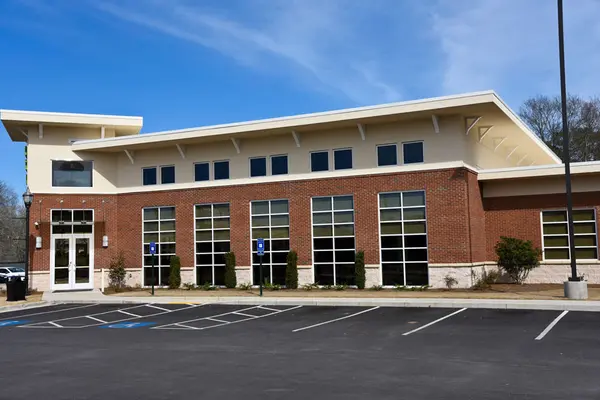
- Standalone and pad buildings: Single-tenant buildings or drive-thru pads with independent access, visible signage opportunities, and direct street exposure. Tenants should confirm curb cuts, stacking capacity, delivery access, and permitted uses.
- Downtown and urban storefronts: Street-level retail spaces in pedestrian-oriented corridors, mixed-use buildings, and historic districts. Sidewalk exposure can be valuable, but tenants should also review loading, parking, hours of operation, and signage restrictions.
- Regional and lifestyle malls: Enclosed or open-air centers organized around major anchors and a planned tenant mix. These properties may suit retailers seeking destination traffic, but co-tenancy terms and operating requirements deserve careful review.
- Restaurant and QSR spaces: Specialized units that may include grease traps, venting hoods, utility capacity, patio areas, pickup lanes, and food-preparation layouts. Existing infrastructure should be verified before relying on it for a planned concept.
- Big-box and anchor units: Larger-format spaces suited to grocery, fitness, entertainment, home goods, or general merchandise uses. These locations often require detailed review of loading, parking circulation, building systems, and delivery schedules.
You can review available options and inventory across different property types by checking Atlanta commercial real estate listings and market profiles, ensuring each site is evaluated for use restrictions, condition, access, and build-out feasibility.
Best Retail Districts and High-Traffic Corridors in Atlanta
The right Atlanta retail district depends on the business model, customer arrival pattern, visibility needs, parking expectations, and operational requirements.
| District or corridor | Retail formats and demand drivers to consider | Site checks before leasing |
|---|---|---|
| Downtown | Lunch-oriented food service, convenience retail, personal services, visitor-serving concepts, and storefronts that benefit from office, hotel, civic, and transit activity | Observe weekday morning, lunch, and evening patterns. Review delivery access, curb management, customer parking alternatives, and any building operating restrictions. |
| Midtown | Dining, wellness, specialty retail, service concepts, and businesses that can serve residents, office users, students, and visitors | Compare pedestrian exposure with practical loading, parking availability, signage visibility, and the effect of weekday versus weekend activity. |
| Buckhead | Destination-oriented retail, hospitality-adjacent concepts, professional services, and businesses where customer convenience and presentation matter | Review parking ratios, valet or garage arrangements, neighboring uses, storefront visibility, access from the primary approach, and lease requirements for signage or facade changes. |
| Westside | Showroom, food and beverage, fitness, design-oriented retail, and experiential concepts in mixed-use or adaptive-reuse settings | Verify loading needs, parking circulation, construction conditions, outdoor-use rights, and how the space functions during both business days and weekends. |
| BeltLine-adjacent retail areas | Food, beverage, boutique retail, neighborhood services, and concepts that can benefit from walking and cycling activity | Visit at multiple times, including weekends. Confirm customer access from the trail or street, delivery routes, restroom needs, waste handling, and whether the business relies on pedestrian activity or destination trips. |
| Neighborhood shopping centers | Everyday services, medical-adjacent retail, salons, quick-service food, and convenience-oriented businesses | Assess anchor draw, parking turnover, cross-access rights, tenant mix, co-tenancy provisions, visibility from key approaches, and the actual path customers take from parking to the suite. |
Traffic counts, consumer demographics, anchor draw, and parking availability should be verified for the individual site. A district name alone does not establish whether a location can support a particular retail concept.
Factors to Consider When Leasing Retail Space in Atlanta
Retail space for lease in Atlanta should be evaluated by total occupancy cost, operating capacity, and lease protections, not by base rent alone.
Start with the lease structure. A triple net, or NNN, lease typically separates base rent from the tenant's share of property taxes, insurance, and common area maintenance costs. Modified gross and full-service leases may include some expenses in quoted rent. Request current operating expense estimates, review reconciliation language, and confirm which costs can change during the lease term.
Next, review tenant improvement allowances, build-out responsibilities, lease length, renewal options, utility requirements, HVAC capacity, grease trap needs, signage rights, and facade visibility. A lower base rent may not represent better value if the suite requires extensive construction or cannot support the intended use.
Parking and access are equally important. Confirm customer entry points, delivery areas, shared-parking rules, cross-easement agreements, peak-hour circulation, co-tenancy clauses, exclusive-use provisions, permitted uses, and business-license requirements. The City of Atlanta's zoning and permitting process may require additional reviews depending on the site, zoning district, overlay, and scope of work.
Pro-Tip: Visit a retail site during your expected peak hours and again during a slower period. Track where customers park, how they enter, where delivery vehicles stop, and whether storefront visibility holds up from the actual approach route.
Leasing Retail Space vs. Purchasing Retail Property in Atlanta
Leasing and buying offer different advantages, and the better choice depends on a business's capital, operating horizon, and need for control.
Leasing Retail Space
- Potentially lower upfront capital requirements than buying
- Greater flexibility to relocate, expand, or adjust the business as market needs change
- Monthly base rent is generally defined in the lease, although CAM, tax, insurance, utility, and reconciliation costs may change depending on the lease structure
- The landlord may retain responsibility for major building repairs, but tenants should review HVAC, structural, capital-expense, and maintenance pass-through obligations
Buying Retail Property
- Long-term equity accumulation and appreciation potential
- Greater operational control over site modifications, tenancy, and building usage
- Higher upfront capital requirements, including down payment, financing costs, and due diligence expenses
- Direct financial responsibility for maintenance, property taxes, insurance, and structural upgrades
Work with a Commercial Retail Leasing Representative in Atlanta
Business owners can evaluate lease terms, negotiate landlord concessions, and identify storefront opportunities that fit specific operating needs through strategic commercial representation. Additional context on retail lease negotiations and site-selection decisions is available through our commercial real estate guides.
Landlords and business owners across Atlanta, Cobb, Douglas, Fulton, and Paulding counties can receive tailored support when evaluating retail sites and lease terms. Call Danesha Ritzberg at +1 (404) 853-8619 or reach out through our commercial leasing contact page for local retail guidance.
Frequently Asked Questions
These answers address the lease-cost, property-type, negotiation, and representation questions that arise most often when evaluating retail space for lease in Atlanta.
How much does retail space cost to lease in Atlanta?
Retail lease rates in Atlanta are typically quoted as an annual price per square foot, plus estimated NNN or CAM charges when applicable. The total cost depends on the submarket, storefront visibility, property condition, parking, build-out needs, permitted use, and whether the site is in a neighborhood center, urban corridor, or destination-oriented project.
What types of retail spaces are available for lease in Atlanta?
Atlanta tenants can choose from strip-center inline suites, urban storefronts, standalone buildings, drive-thru pads, restaurant spaces, mall locations, and large anchor units. The best option depends on required square footage, customer access, parking, signage, delivery needs, utility capacity, and any specialized food-service infrastructure.
What is included in a retail triple net (NNN) lease?
A retail NNN lease generally requires the tenant to pay base rent plus a proportional share of property taxes, building insurance, and common area maintenance costs. Before signing, request the current expense budget, reconciliation procedures, billing schedule, and details about maintenance or capital-cost pass-throughs.
Can I negotiate a Tenant Improvement (TI) allowance with the landlord?
Yes, landlords may offer a TI allowance or initial rent abatement to help offset build-out costs when a tenant presents strong credit, a workable business plan, and a longer lease commitment. The final package can depend on the suite's condition, construction scope, expected rent, lease length, and the landlord's objectives.
Should I work with a tenant representation broker to lease retail space?
Yes, a dedicated commercial representative can make site selection, market-rate analysis, lease negotiation, and contract coordination more manageable, often at no direct cost to the tenant. Representation can also help a business compare total occupancy costs, landlord proposals, operating restrictions, and terms that affect future flexibility.
Categories
Recent Posts







"My job is to find and attract mastery-based agents to the office, protect the culture, and make sure everyone is happy! "