
How Much Does It Cost to Buy Commercial Property in Atlanta? A Complete Buyer’s Cost Breakdown
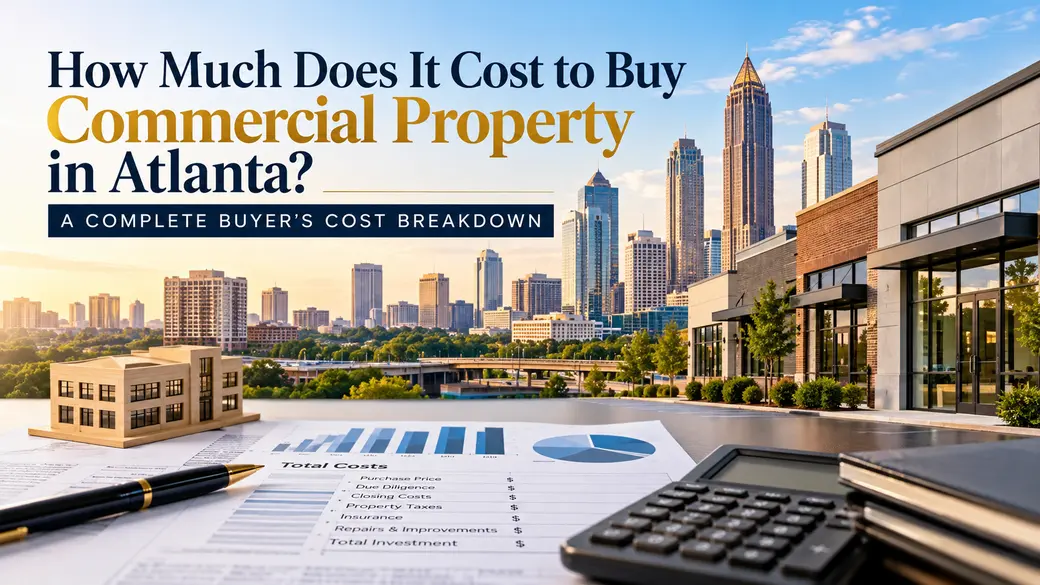
The cost to buy commercial property in Atlanta extends well beyond a building's advertised purchase price. Buyers should plan for a down payment, financing fees, legal and closing expenses, professional evaluations, transfer-related charges, insurance, renovations, and operating reserves before committing capital. For first-time commercial buyers, business owners, and investors, understanding the full acquisition cost is essential because an apparently affordable property can require substantially more cash before it is ready to operate or generate income.
Purchase price and price per square foot are only part of the decision. A practical budget also accounts for loan terms, property condition, immediate improvements, transaction expenses, and liquidity after closing. This cost breakdown helps buyers identify the expenses that can affect their initial capital requirement and reduce unexpected financial pressure during negotiations.
What Determines the Cost of Buying Commercial Property in Atlanta?
The total cost of buying commercial property in Atlanta depends on the asset type, purchase price, financing structure, location, building condition, and intended use. The listing price matters, but it does not reflect every expense needed to close, improve, occupy, and operate a commercial property.
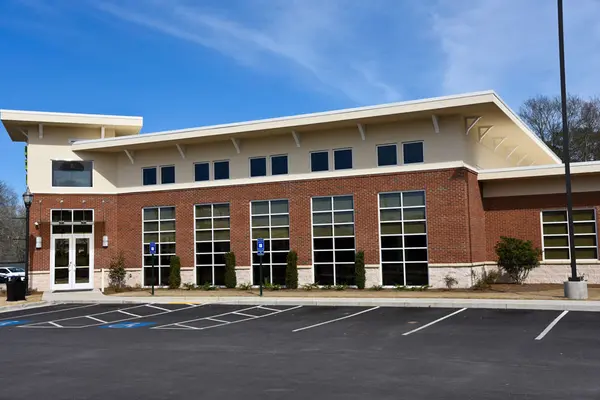
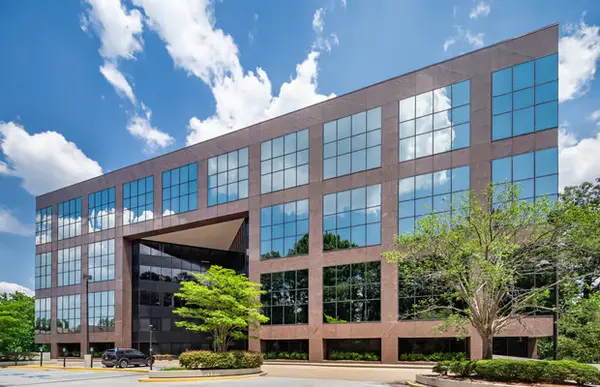
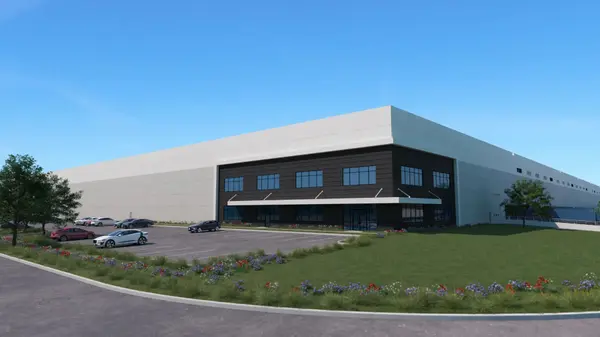
Office buildings, retail spaces, warehouses, industrial facilities, and mixed-use assets can carry very different acquisition and ownership obligations. A multi-tenant retail property may require lease review and common-area planning, while a warehouse may need loading-area repairs, electrical upgrades, or specialized utility capacity. An older office building may need capital for systems modernization, accessibility work, or deferred maintenance.
Property size, age, existing tenants, renovation needs, and local market conditions also influence the buyer's capital plan. Expenses can differ among Atlanta, {County}, and surrounding submarkets because jurisdictions, infrastructure, access, tenant demand, and building inventory vary. Buyers should evaluate their total initial capital requirement rather than relying exclusively on an asking price or price-per-square-foot comparison.
Step 1: Calculate Your Commercial Property Down Payment
A commercial property down payment in Atlanta is often one of the largest upfront cash requirements, but it is not the buyer's entire cash-at-closing obligation. Commercial real estate financing requirements depend on lender policy, borrower qualifications, property type, loan-to-value guidelines, occupancy plans, available collateral, and the selected financing program.
For planning purposes, conventional commercial loan scenarios may use 20%, 25%, or 30% equity contributions. These percentages are illustrations, not universal lender requirements. A lender may require a different amount based on the property's income, the buyer's financial profile, lease structure, business experience, and whether the buyer plans to occupy the building.
For example, a $1,000,000 commercial purchase with an assumed 25% down payment would require:
$1,000,000 × 25% = $250,000
The remaining illustrative balance of $750,000 could be financed, subject to underwriting and approval. Eligible owner-occupied business purchases may qualify for SBA-backed financing with different equity contribution requirements. The down payment is separate from total required cash at closing, which can include lender fees, legal costs, property evaluations, improvements, and reserves. Obtain preliminary lender terms before entering negotiations.
Commercial Property Down Payment Examples by Purchase Price
| Property Purchase Price | 20% Down Payment | 25% Down Payment | 30% Down Payment |
|---|---|---|---|
| $500,000 | $100,000 | $125,000 | $150,000 |
| $750,000 | $150,000 | $187,500 | $225,000 |
| $1,000,000 | $200,000 | $250,000 | $300,000 |
| $1,500,000 | $300,000 | $375,000 | $450,000 |
| $2,000,000 | $400,000 | $500,000 | $600,000 |
These figures are hypothetical equity contributions and exclude closing costs, professional evaluations, renovations, and operating reserves. No displayed percentage should be treated as the standard requirement for every borrower or financing program.
Step 2: Compare Commercial Real Estate Financing Options in Atlanta
Financing selection affects both the cash needed before closing and the long-term cost of owning commercial property. Buyers should compare projected payments, lender fees, reserve requirements, maturity dates, annual percentage costs where applicable, and the potential need to refinance later.
Conventional commercial mortgages may serve qualifying investment or owner-occupied properties, depending on lender underwriting requirements. They can fit transactions where the property, borrower, income profile, and loan structure meet a bank's standards. SBA 504 and SBA 7(a) financing are designed for eligible business purposes and owner-occupied real estate needs. The SBA 504 loan program supports eligible fixed-asset projects, while SBA 7(a) loans may support qualifying business acquisitions and real estate-related purposes.
SBA financing is generally intended for qualifying business use. Passive investment property acquisitions ordinarily do not meet standard owner-occupancy rules. Private or bridge loans can offer flexibility for transitional assets, time-sensitive opportunities, or projects that do not initially fit conventional lending criteria. That flexibility may involve shorter terms, different fee structures, and greater refinancing risk.
A complete financing review considers more than the loan amount. Review debt service, origination charges, prepayment provisions, reserves, maturity dates, and a realistic repayment or refinancing path.
Commercial Property Financing Options Compared
| Financing Type | Best Suited For | Upfront Cost Considerations | Important Requirement |
|---|---|---|---|
| Conventional Commercial Bank Loan | Qualifying owner-occupied or investment properties | Equity contribution, lender fees, reserves, and closing charges vary | Property, borrower, income, and lender underwriting must meet program standards |
| SBA 504 Loan | Eligible owner-occupied business real estate and fixed assets | Equity contribution and program-related costs depend on the transaction | Business eligibility and intended occupancy must meet SBA and lender requirements |
| SBA 7(a) Loan | Eligible business acquisitions and owner-occupied property purchases | Costs may include lender fees, closing expenses, and required liquidity | Borrower eligibility and business-use rules apply |
| Private or Bridge Loan | Time-sensitive, transitional, or value-add opportunities | May involve different financing costs, shorter terms, and refinance planning | Exit strategy, collateral, and lender-specific underwriting are critical |
Step 3: Understand Commercial Real Estate Closing Costs in Atlanta
Commercial real estate closing costs in Atlanta are expenses paid in addition to the down payment. They can include commercial real estate attorney fees, title searches, title insurance, loan origination fees, appraisal expenses, recording fees, settlement services where applicable, and transaction-related taxes or assessments.
Responsibility for these expenses can vary by the negotiated purchase agreement, lender requirements, local practice, and the legal complexity of the asset. A buyer should not assume that an arrangement used in one transaction will apply to another. Costs for a single-tenant building, for example, may differ from those for a multi-tenant retail center with extensive lease documents.
Legal, lender, and title-related expenses may increase when a transaction involves multiple ownership entities, special financing, unresolved property issues, or complicated tenant relationships. Early lender estimates and closing-cost projections help buyers understand which charges are likely, which may be negotiated, and which can change before closing.
Request preliminary figures early in the acquisition process. A buyer who budgets only for a down payment may have insufficient cash available for professional services, lender-required items, property improvements, or operating needs after ownership begins.
Understanding Real Estate Transfer Taxes and Recording Fees in Atlanta
Transfer taxes, deed recording fees, mortgage recording charges, and related assessments can affect the final cost of acquiring commercial property. The amount may depend on property value, recorded documents, financing structure, and applicable state and local rules.
In Georgia, real estate transfer tax is generally calculated at $1 for the first $1,000 of value and 10 cents for each additional $100 or fraction of $100, according to Georgia Department of Revenue guidance accessed in October 2026. On an illustrative $1,000,000 transaction, that formula produces a transfer tax of $1,000 before any applicable exception, allocation term, or transaction-specific circumstance.
Transfer tax is distinct from charges associated with recording a deed, mortgage, assignment, or other financing document. Responsibility for a particular expense may be defined by statute, local procedure, lender requirements, or the purchase agreement. Buyers should have a closing attorney or title professional calculate each applicable charge from the actual transaction documents.
Step 4: Budget for Commercial Property Inspections, Appraisals, and Environmental Assessments
Commercial property buyers should allocate funds for professional inspections and third-party evaluations before closing because a building's condition can affect financing, renovation planning, and future operating costs. Common expenses include commercial building inspections, structural evaluations, HVAC assessments, commercial appraisals, environmental site assessments, and specialized engineering reviews.
The appropriate scope depends on the asset. A smaller office condominium may require a narrower review than an older warehouse, manufacturing facility, multi-tenant retail center, or property with complex mechanical systems. Property size, age, prior use, accessibility, and lender requirements can all influence the professional services needed.
A Phase I Environmental Site Assessment is a common commercial due-diligence item. It reviews historical and site-related information for potential environmental concerns. If potential concerns are identified, additional investigation may be recommended. These costs can arise even when a buyer ultimately decides not to complete the acquisition.
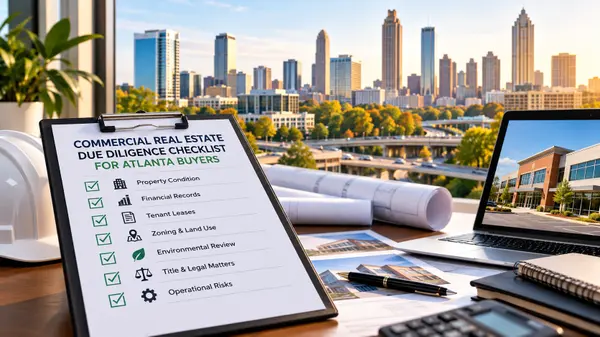
A commercial real estate due diligence checklist for Atlanta buyers provides a deeper review of items to verify before purchasing. Property-specific quotes from qualified professionals remain a more reliable planning basis than a single general allowance for every building.
Step 5: Account for Property Taxes and Commercial Insurance
Property taxes and commercial property insurance are ongoing ownership costs that can affect lender underwriting, closing prorations, reserve requirements, and the operating budget. Property-specific estimates matter because a building with manageable debt service can still create cash-flow pressure when taxes and insurance are understated.
Commercial property tax obligations may depend on assessed value, jurisdiction, applicable tax rates, exemptions, reassessment procedures, and parcel-specific characteristics. Buyers should review the actual tax record for the property under consideration instead of assuming every commercial property in Atlanta has the same tax burden. The closing statement may also prorate current-year obligations between buyer and seller.
Commercial insurance expenses vary based on building age, construction materials, occupancy, condition, location, coverage limits, claims history, and lender requirements. Coverage may include the building, general liability, flood coverage where applicable, and loss-of-rents or business interruption protection.
Obtain parcel-specific tax information and insurance quotations before finalizing an offer. These figures belong in the ongoing operating forecast as well as the initial acquisition budget, particularly where a buyer expects renovations, tenant turnover, or a period of limited occupancy.
Step 6: Identify Hidden Costs of Buying Commercial Property
Hidden costs can make a commercial property more expensive than its negotiated purchase price suggests. Buyers should plan for capital needs beyond closing, particularly when an asset needs repairs, tenant improvements, operational upgrades, or repositioning before it can perform as intended.
Often-overlooked costs include deferred maintenance, roof work, HVAC replacement, parking lot repairs, utility upgrades, zoning-related improvements, permits, occupancy approvals, property management fees, and unexpected maintenance. A lower-priced building may require more initial capital than a higher-priced alternative if major systems are near the end of their useful life or the space does not fit the buyer's intended operation.
Vacancy creates another category of carrying costs. Even without an active tenant or operating business in place, an owner may need to cover mortgage payments, taxes, insurance, utilities, security, routine maintenance, and leasing expenses. Investors should model delayed lease-up and tenant turnover rather than assuming immediate income.
Cost profiles also differ by asset type. Office properties may need modernization or common-area work. Retail properties can require storefront, signage, or buildout expenditures. Warehouses and industrial facilities may need loading, electrical, flooring, ventilation, or site upgrades. Professional estimates and a contingency reserve help protect the acquisition budget from early ownership surprises.
Step 7: Prepare for Renovations, Tenant Improvements, and Occupancy Expenses
A commercial property's intended use can create substantial costs before a business can occupy the space. Owner-occupied businesses may need interior renovations, signage, accessibility modifications, additional electrical capacity, equipment installations, networking infrastructure, or other tenant improvements.
Cosmetic work, such as paint and finishes, should be distinguished from improvements requiring engineering, permits, specialized contractors, or coordination with local authorities. More involved work can affect both the construction schedule and the cash needed before operations begin.
Construction delays can lead to added carrying costs, temporary occupancy expenses, and delayed business revenue. Buyers should investigate whether a building is suitable for its intended use before committing to a purchase, especially when operations depend on specific layouts, utilities, loading access, or customer access.
Zoning and permitting requirements vary by municipality and property type. Obtain preliminary renovation estimates early, then include construction costs, professional services, possible schedule contingencies, and sufficient liquidity in the project budget.
Example: Total Cost to Buy a $1 Million Commercial Property in Atlanta
A $1,000,000 commercial acquisition with an assumed 25% down payment requires more than the $250,000 equity contribution. The following illustration shows how financing-related expenses, professional evaluations, improvements, and operating reserves may increase the buyer's total initial cash requirement.
Every figure below is an illustrative planning assumption, not a lender quote, local market average, or verified service-provider estimate. Some items are transaction expenses, while operating reserves remain available to support future ownership costs after closing.
Actual expenses depend on the purchase agreement, property condition, financing structure, professional service scope, and local requirements. Transfer-related taxes, prepaid insurance, property tax prorations, and other closing adjustments are excluded from this base illustration.
Sample Commercial Property Acquisition Budget
| Expense Category | Illustrative Amount | Purpose |
|---|---|---|
| Property Purchase Price | $1,000,000 | Negotiated purchase price |
| Down Payment at 25% | $250,000 | Buyer equity contribution |
| Loan Amount | $750,000 | Illustrative financed portion of purchase price |
| Lender Origination Fee, assumed 1% | $7,500 | Illustrative lender financing charge |
| Legal and Title-Related Expenses | $6,000 | Legal review, title work, and related services |
| Appraisal and Inspection Expenses | $5,000 | Property valuation and condition review |
| Environmental Assessment | $2,500 | Illustrative environmental due diligence allowance |
| Survey and Additional Due Diligence | $4,000 | Survey and supplemental professional review |
| Recording Fees and Miscellaneous Closing Expenses | $1,500 | Document recording and related closing items |
| Initial Property Improvements | $30,000 | Immediate repair or improvement allowance |
| Initial Operating Reserve | $40,000 | Cash reserve for future ownership needs |
| Total Initial Cash Requirement | $346,500 | Down payment plus illustrative acquisition costs, improvements, and reserves |
The total initial cash requirement is $346,500, exceeding the $250,000 down payment by $96,500. Applicable taxes, prepaid insurance, property tax prorations, and other closing adjustments may increase or change the final amount.
Step 8: Calculate Your Total Commercial Property Purchase Budget
A practical purchase budget begins with a clear formula: Total Initial Capital Required = Down Payment + Acquisition and Closing Costs + Initial Improvements + Required Reserves.
The down payment is the buyer's equity contribution toward the purchase price. Acquisition and closing costs include lender, legal, title, recording, valuation, environmental, and other transaction expenses. Initial improvements cover work needed to make the property functional for the buyer or tenants. Required reserves are retained funds for debt service, taxes, insurance, maintenance, vacancy, or unexpected needs.
Request preliminary lender terms, professional evaluation estimates, closing-cost projections, renovation quotations, and initial operating expense information before setting a final purchase ceiling. Each estimate should relate to the actual building and proposed loan terms rather than a generic percentage of the purchase price.
Future loan payments, utilities, taxes, insurance, maintenance, tenant improvements, and vacancy exposure should be evaluated separately in the operating budget. Retain adequate liquidity after closing rather than committing every available dollar to acquisition. A purchase can be financially feasible at closing yet still strain a business or investment plan if the owner has no remaining capacity for repairs, tenant needs, or revenue interruptions.
How Commercial Property Costs Vary Across Atlanta Submarkets
Commercial property acquisition costs vary across Atlanta because submarkets differ in access, building inventory, tenant demand, infrastructure, jurisdictional requirements, and physical condition. Buyers should compare total acquisition and operating costs rather than treating location as only a price-per-square-foot decision.
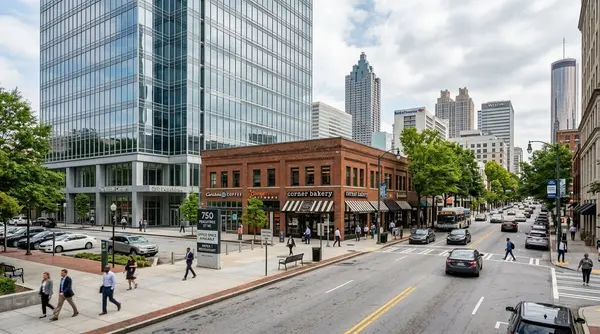
Downtown Atlanta office buildings may require different ownership budgets than suburban retail properties because of building age, common-area needs, parking arrangements, access considerations, and tenant expectations. Midtown can present separate considerations for office and mixed-use users, while industrial properties near Hartsfield-Jackson Atlanta International Airport may require particular attention to loading access, site circulation, utilities, and operational suitability.
Property taxes, zoning jurisdiction, insurance requirements, and capital-improvement needs can also differ among locations. A property that appears inexpensive in one area may require more immediate investment in repairs, accessibility work, parking, security, or systems upgrades than a higher-priced alternative elsewhere.
When comparing acquisition targets, buyers should evaluate financing, closing expenses, improvements, taxes, insurance, maintenance, and reserves alongside the purchase price. That approach provides a more useful view of affordability than focusing on the initial listing figure alone.
Pro Tip: Look Beyond the Down Payment Before Making an Offer
Pro Tip: Request a preliminary closing-cost estimate before submitting an offer, then review projected property taxes, insurance, utilities, financing fees, and immediate repair requirements. These expenses can reduce available cash and change whether a property remains financially feasible after closing. Maintain a separate operating reserve instead of placing every available dollar into the down payment. A stronger cash position gives the buyer more flexibility to address early maintenance, vacancy, improvement needs, or unexpected ownership expenses without disrupting operations.
Work With an Atlanta Commercial Real Estate Advisor
A knowledgeable commercial real estate professional can help buyers understand local property opportunities, identify major acquisition cost considerations, coordinate with lenders and specialists, and evaluate the financial responsibilities associated with ownership. Careful budgeting, market knowledge, and property-specific guidance are particularly valuable when comparing buildings with different conditions, tenant profiles, and intended uses.
Buying commercial property is a big decision, and understanding the costs is just as important as finding the right location. From property taxes and financing to long-term ownership expenses, having the right guidance can help you move forward with clarity and confidence.
Danesha Ritzberg of Ritzberg Realty helps business owners and investors explore commercial real estate opportunities throughout Atlanta and the surrounding Metro Atlanta communities. Whether you're purchasing your first commercial property or expanding your investment portfolio, Danesha is here to help you understand your options and find a property that aligns with your goals.
Explore Ritzberg Realty to learn more about commercial real estate opportunities in Atlanta.
Have a property in mind or just starting to explore your options? Let's connect and talk about your goals, or call (404) 853-8619. Danesha would love to help you take the next step toward a smart, well-informed commercial real estate decision.
Frequently Asked Questions About Buying Commercial Property in Atlanta
How much money do you need to buy commercial property in Atlanta?
The required capital includes the purchase-price equity contribution plus transaction and ownership-startup costs. Buyers should budget for a down payment, lender and closing charges, professional evaluations, improvements, insurance or tax adjustments, and operating reserves. The final amount depends on the building's condition, transaction terms, financing structure, and intended use.
What is the typical down payment for commercial real estate?
No single percentage applies to every commercial purchase. Lender guidelines, borrower qualifications, property type, financing program, loan structure, and intended occupancy determine the required equity contribution. Using 20%, 25%, and 30% planning scenarios can help buyers compare possibilities before receiving actual lender terms.
What are the closing costs when buying commercial property in Atlanta?
Commercial closing expenses can include attorney fees, title searches, title insurance, lender charges, appraisal costs, recording fees, settlement services, and applicable transaction-related taxes. The purchase agreement, lender requirements, local practices, and current state rules can determine which party pays each item.
Can I buy commercial property with an SBA loan?
Eligible owner-occupied business purchases may qualify for certain SBA programs, subject to lender underwriting and program requirements. SBA 504 and SBA 7(a) financing can support qualifying business purposes, while passive investment property acquisitions generally do not meet ordinary owner-occupancy standards.
How much do commercial property inspections cost?
Professional evaluation costs depend on the property's size, complexity, condition, age, prior use, and the scope of services required. A buyer may need building, structural, HVAC, environmental, engineering, or other specialized reviews. Obtain property-specific quotes early because these expenses can arise even if the transaction does not close.
What hidden costs should commercial property buyers expect?
Buyers should plan for potential renovations, deferred maintenance, taxes, insurance, utilities, vacancy carrying costs, permitting-related work, property management expenses, and operating reserves. Roof, HVAC, parking, utility, accessibility, and tenant-improvement needs can materially increase the capital required after closing.
Is buying commercial property in Atlanta better than leasing?
Buying and leasing serve different financial and operational goals. Ownership can provide long-term control and equity potential, but it requires meaningful upfront capital and responsibility for repairs, taxes, insurance, and operations. Leasing may offer more flexibility and lower initial capital requirements, although it can limit control over the space and future occupancy terms.
Categories
Recent Posts



"My job is to find and attract mastery-based agents to the office, protect the culture, and make sure everyone is happy! "