
How to Acquire Commercial Real Estate in Atlanta: A Buyer’s Step-by-Step Guide
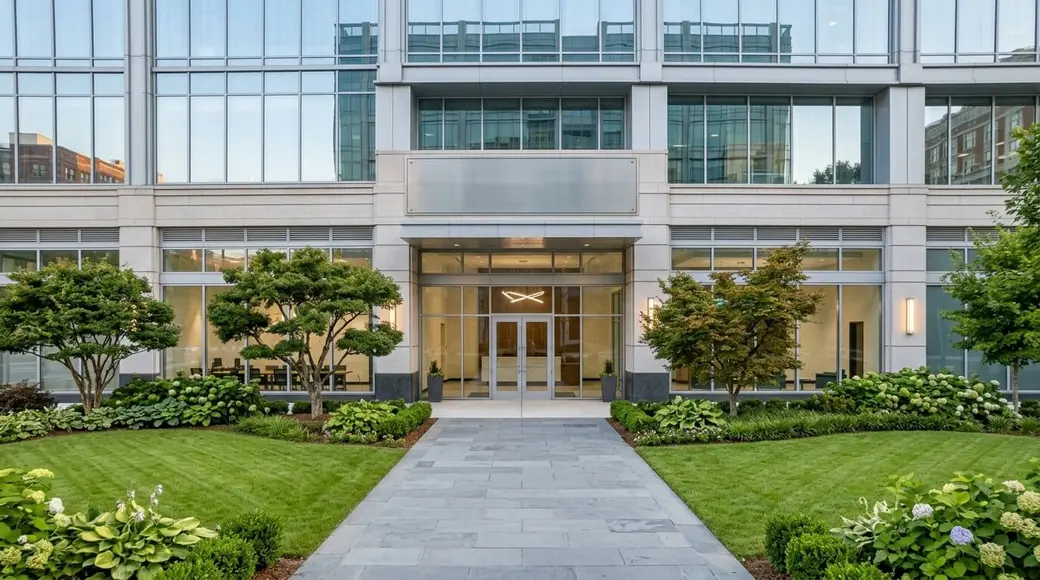
Commercial real estate acquisition in Atlanta can help companies control occupancy costs and help investors build long-term wealth, but it requires disciplined planning. Buyers must balance capital requirements, location selection, zoning verification, and legal due diligence before committing funds. This 2026 step-by-step guide provides business owners and investors with a practical roadmap for evaluating opportunities, structuring an offer, and preparing for ownership in Atlanta, GA.
Step 1: Define Your Commercial Real Estate Acquisition Goals and Budget
Commercial real estate acquisition in Atlanta begins with a clear definition of what the property must accomplish for your business or investment plan. An owner-occupant may prioritize customer access, loading capacity, employee needs, visibility, and room to expand. A passive investor may place more weight on lease income, tenant quality, operating expenses, and cash-flow growth outlined in a broader Atlanta commercial real estate investment guide.
Create written acquisition criteria before reviewing all commercial listings. Identify the property type, preferred location, square footage, parking needs, zoning requirements, and specialized build-out needs. Then establish a purchase budget that accounts for more than the asking price.
Commercial buyers should expect equity requirements to vary materially by lender, property type, occupancy, borrower strength, and loan structure. The acquisition budget should separately account for closing costs, lender fees, legal services, third-party reports, initial repairs, and operating reserves. A practical reserve helps manage tenant turnover, maintenance, or unexpected capital expenses without disrupting operations or property cash flow.
Step 2: Assemble Your Local Atlanta Advisory Team
A coordinated Atlanta advisory team gives commercial buyers guidance before contract deadlines begin. Each professional addresses a different part of the transaction, and early communication can prevent disconnects between financing, legal documents, and property analysis.
- Buyer Representation Broker: A commercial broker helps clarify property criteria, identify appropriate opportunities, assess positioning, and negotiate business terms that support the buyer’s goals.
- Commercial Real Estate Attorney: An attorney reviews the letter of intent, purchase agreement, title materials, entity documents, and closing paperwork.
- Certified Public Accountant (CPA): A CPA can evaluate ownership structure, projected tax treatment, income assumptions, and financial implications for an owner-user or investment acquisition.
- Commercial Lender: A lender evaluates borrower qualifications, loan pathways, required documentation, reserves, and the property’s ability to support proposed financing.
The most effective teams communicate directly when a financing condition, legal issue, or property finding affects timing or economics. That coordination helps a small or midsize business owner make decisions with fewer last-minute surprises.
Step 3: Analyze Atlanta Submarkets and Zoning Rules
Commercial real estate acquisition in Atlanta requires property-specific zoning and jurisdiction checks before an offer is submitted. Retail buyers may weigh visibility, parking, customer traffic, and signage potential, while industrial users may focus more on truck access, loading configuration, utility capacity, and proximity to I-20, I-75, or I-85.
Compare locations based on surrounding businesses, building inventory, access points, traffic patterns, and the availability of comparable space. A property that fits one use may not suit another, even when it appears competitively priced.
Before making an offer, confirm the municipal zoning designation and permitted uses for the specific property. The relevant rules and approval process can differ depending on whether a property falls within the City of Atlanta or an adjacent county jurisdiction, including Fulton County or DeKalb County. Do not rely solely on a listing description or a previous occupant’s operations.
Review parking ratios, signage rights, access points, loading requirements, setbacks, and use limitations across Atlanta and {County}. Buyers considering land or redevelopment should also examine entitlement requirements and utility availability. Property-specific verification is essential before committing earnest money.
Step 4: Submit a Letter of Intent (LOI) and Negotiate Terms
A non-binding Letter of Intent, or LOI, establishes the major business terms before the parties move into a detailed purchase contract in Atlanta. It provides a framework for negotiating price, timing, contingencies, and responsibilities without turning every preliminary discussion into a final agreement.
A well-prepared LOI should address the following points:
- Purchase price and proposed form of consideration
- Earnest money deposit amount and deposit timing
- Feasibility due diligence window
- Financing contingencies and lender-related requirements
- Target closing timeline and extension options
The LOI should also identify included equipment, tenant-related obligations, seller deliverables, and special conditions that matter to the transaction. Although an LOI is generally non-binding, specific provisions may be binding depending on the wording. Legal counsel should review the document before delivery, particularly when exclusivity, confidentiality, access, or deposit terms are involved.
Step 5: Execute the Purchase and Sale Agreement (PSA)
The Purchase and Sale Agreement converts agreed business terms into an enforceable commercial transaction document. Legal counsel should prepare or carefully review the PSA because it defines buyer rights, seller obligations, deadlines, remedies, and closing conditions.
Strong buyer contingency clauses provide a defined path for evaluating the property before earnest money becomes fully exposed. The agreement should clearly address due diligence access, financing approval, title review, environmental review, property condition, tenant information when applicable, and the consequences if a required condition is not satisfied.
Do not treat the PSA as a formality. A commercial contract should match the property type, ownership structure, financing plan, and risk profile of the specific acquisition. Clear deadlines and seller-delivery requirements make it easier for the buyer’s broker, attorney, lender, and consultants to stay aligned.
Step 6: Conduct Comprehensive Property Due Diligence
Comprehensive due diligence determines whether the property, its documents, and its projected economics support the agreed purchase terms. Begin immediately after the PSA is signed so the advisory team has enough time to identify issues, request additional records, and decide whether the transaction should proceed.
Physical review should cover the building and major systems, including the roof, HVAC equipment, structure, electrical capacity, plumbing, drainage, and accessibility considerations. The purpose is to understand immediate repair needs, deferred maintenance, and likely capital expenditures.
Order a Phase I Environmental Site Assessment, or ESA, to identify potential environmental concerns based on historical use, records, and site observations. For a multi-tenant property, review every lease, amendment, guaranty, rent roll, security deposit record, and operating-expense obligation. Confirm which leases transfer and whether reported income is supported by payment history.
Legal diligence should include title commitments, recorded exceptions, easements, access rights, and boundary survey review. Buyers should also verify permits, zoning compliance, service contracts, insurance history, and pending disputes that could affect ownership or operations. Keep a written issue log so the buyer and advisory team can evaluate whether to proceed, renegotiate terms, or request seller corrections.
Pro-Tip: Request at least 12 months of utility bills, recent property tax notices, and reassessment correspondence early in the Atlanta due diligence period, then compare them with seller operating statements and lease records. For occupied properties, obtain estoppel certificates before relying on projected income because these tenant confirmations can reveal lease terms, deposits, defaults, reimbursement obligations, and claims that may affect the buyer’s financial assumptions.
Step 7: Finalize Financing and Secure Closing Approval
Final financing approval requires the lender to confirm borrower strength and property eligibility. Submit the requested underwriting package promptly, including entity documents, financial statements, tax returns, bank records, the executed PSA, leases where applicable, and third-party reports.
The lender will review appraisal materials, title information, insurance requirements, and property issues identified during diligence. Read final closing disclosures and settlement figures carefully, including loan fees, prepaid items, reserves, prorations, and seller credits. If numbers or conditions differ from expected loan terms, address them before closing documents are prepared.
Step 8: Close the Transaction and Plan Asset Management for Commercial Real Estate Acquisition in Atlanta
Commercial real estate acquisition in Atlanta is complete only when documents, funds, and recording requirements have been satisfied. Buyers typically sign loan documents, authorize wire transfers, confirm settlement adjustments, and provide required entity resolutions or certifications. The deed is generally recorded with the Clerk of Superior Court in the Georgia county where the property is located. Your attorney and title professionals can confirm the recording process for the specific jurisdiction.
Immediately after closing, coordinate utility transfers, insurance activation, vendor access, tenant notices, and building security procedures. For an investment property, establish a property management plan covering rent collection, maintenance approvals, financial reporting, lease administration, and communication expectations.
For owner-occupied space, create a transition schedule for renovations, equipment installation, signage, staffing, and operational continuity. The post-closing plan deserves the same attention as purchase negotiations because it turns a completed acquisition into a functioning business or investment asset.
Comparing Commercial Loan Options in Atlanta, GA
Commercial buyers should compare loan structures based on occupancy plans, equity availability, repayment objectives, and the property’s operating profile. Borrower equity requirements vary by structure, lender, property condition, and financial profile, so buyers should confirm current terms with their lender before relying on a preliminary estimate.
| Loan Type | Typical Down Payment | Best Suited For | Key Advantage |
|---|---|---|---|
| SBA 504 Loan |
10% to 15% Varies by project structure, occupancy, and borrower profile |
Owner-occupied buildings and long-term business facilities | Long-term financing structures may be available for eligible owner-users |
| SBA 7(a) Loan |
10% to 20% Varies by lender, borrower, and eligible use |
Owner-users seeking flexibility for real estate and business needs | Can support a range of eligible small-business financing purposes |
| Conventional Commercial Bank Loan |
20% to 35% Often requires substantial borrower equity |
Established borrowers and stabilized commercial properties | Terms can be tailored to property and borrower strength |
| Private or Bridge Loan |
15% to 30% Often requires substantial borrower equity |
Time-sensitive, transitional, or value-add opportunities | May provide faster execution and more flexible underwriting |
Partner with an Atlanta Commercial Advisory Expert
A commercial advisor can help protect buyer capital by evaluating space against operational needs, identifying transaction risks, coordinating due diligence, and negotiating purchase agreement terms that align with the acquisition strategy. Ritzberg Realty Commercial Real Estate supports buyers evaluating commercial buyer strategies through each stage of an Atlanta acquisition.
Connect with Danesha Ritzberg at +1(404) 853-8619 or ritzbergrealtyassistant@gmail.com for a personalized, no-obligation strategy session focused on your Atlanta acquisition goals, property criteria, and next steps.
Frequently Asked Questions
How long does it take to buy commercial real estate in Atlanta?
Commercial acquisitions in Atlanta commonly take several weeks to several months because timing depends on contract negotiations, lender underwriting, property complexity, and due diligence findings. A straightforward owner-user purchase may move more quickly, while a multi-tenant property, land transaction, or asset requiring extensive lender review can take longer.
What is the average down payment for a commercial property?
There is no universal commercial-property down payment because lender requirements depend on the financing program, property type, borrower financials, intended use, and asset risk. Buyers should plan for meaningful equity and obtain lender-specific guidance before setting a final acquisition budget.
What is a Phase I Environmental Site Assessment (ESA)?
A Phase I Environmental Site Assessment is a professional review of a property’s historical uses, records, and visible site conditions for possible environmental concerns. It generally combines records research with a site visit and helps a buyer determine whether further investigation may be appropriate before completing a purchase.
Can I purchase commercial real estate using an LLC in Atlanta, GA?
Yes, commercial real estate can often be acquired through an LLC in Atlanta, subject to lender, legal, and tax considerations. An attorney and CPA can help determine whether the entity structure supports ownership goals, liability planning, financing requirements, and the long-term asset management approach.
Categories
Recent Posts







"My job is to find and attract mastery-based agents to the office, protect the culture, and make sure everyone is happy! "